

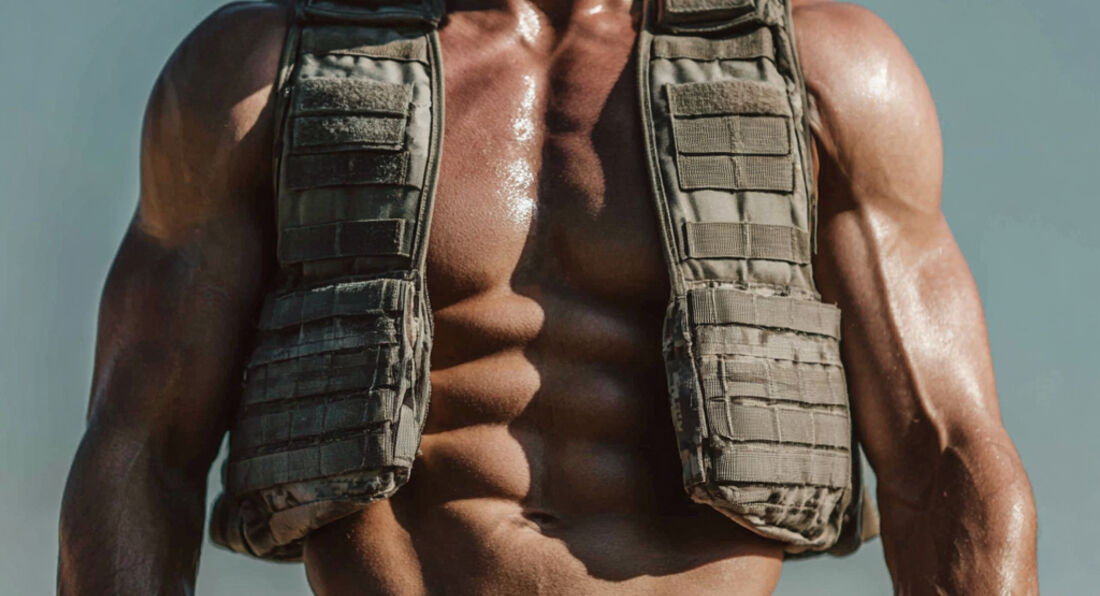
Building “military muscles” is different from simply chasing a bodybuilder look. Military-level fitness is about creating a physique that is powerful, athletic, durable, lean and capable of performing under pressure. Soldiers are not trained to look good for a few minutes on stage — they are trained to carry heavy loads, move explosively, endure long periods of physical stress and still perform at a high level.
The result is a physique that combines:
- Dense muscle mass
- Functional strength
- Explosive power
- Cardiovascular endurance
- Core stability
- Mental resilience
- Low body fat
Military muscles are built through a combination of intelligent resistance training, conditioning, nutrition, recovery and discipline.
What Are Military Muscles?
Military muscles are not soft, bloated or purely aesthetic. They are:
- Hard and dense
- Functional and athletic
- Lean and vascular
- Strong without sacrificing endurance
- Balanced across the entire body
This style of physique is commonly seen in:
- Special forces soldiers
- Elite military operators
- Combat athletes
- Tactical fitness professionals
- Functional strength athletes
The focus is not just appearance — it is performance.
The Principles of Building Military Muscle
1. Functional Compound Movements
Military-style training prioritises exercises that recruit multiple muscle groups simultaneously.
The foundation includes:
- Squats
- Deadlifts
- Pull-ups
- Bench press
- Overhead press
- Rows
- Dips
- Farmer carries
- Lunges
- Push-ups
These movements stimulate maximum muscle fibre recruitment while improving coordination and real-world strength.
2. Progressive Overload
Muscles only grow when they are forced to adapt.
You must progressively increase:
- Weight
- Repetitions
- Training density
- Volume
- Intensity
- Time under tension
Without progressive overload, growth stalls.
3. High Work Capacity
Military physiques are built through hard work and high-volume training.
This means:
- Shorter rest periods
- Supersets
- Circuits
- Conditioning work
- Loaded carries
- Bodyweight endurance
- Hill sprints
- Interval training
The body adapts by becoming stronger, leaner and more resilient.
4. Explosive Power Training
Explosive movements create athletic muscle.
Examples include:
- Sprinting
- Box jumps
- Kettlebell swings
- Power cleans
- Battle ropes
- Medicine ball slams
- Plyometric push-ups
Fast-twitch muscle fibres are activated, leading to denser and more athletic development.
The Ideal Military Muscle Physique
The ideal military physique typically includes:
- Broad shoulders
- Thick upper chest
- Powerful back
- Strong core
- Dense legs
- Lean waist
- Functional grip strength
- High endurance
This creates the “combat-ready” appearance associated with elite operators.
Best Exercises to Build Military Muscles
Pull-Ups
Pull-ups are one of the greatest upper-body exercises ever created.
Benefits:
- Wider lats
- Bigger biceps
- Grip strength
- Upper back thickness
- Functional pulling power
Weighted pull-ups are especially effective for building military-style upper-body density.
Deadlifts
Deadlifts build:
- Posterior chain strength
- Traps
- Back thickness
- Core stability
- Grip strength
- Total-body power
Heavy deadlifts create rugged full-body muscularity.
Squats
Squats stimulate:
- Testosterone response
- Leg growth
- Core development
- Explosive power
- Athleticism
Front squats and walking lunges are particularly useful for military conditioning.
Push-Ups
Push-ups remain a military staple because they:
- Build endurance
- Strengthen shoulders and chest
- Improve core stability
- Enhance muscular stamina
Advanced versions include:
- Weighted push-ups
- Plyometric push-ups
- Ring push-ups
- Decline push-ups
Farmer Carries
Farmer carries build:
- Grip strength
- Trap development
- Core stability
- Mental toughness
- Functional strength
Very few exercises create “military toughness” like loaded carries.
Sled Pushes
Sled training develops:
- Explosive leg power
- Conditioning
- Mental resilience
- Work capacity
- Fat loss
They also place minimal stress on joints.
The Military Muscle Training Split
Day 1 – Upper Body Power
- Bench press
- Weighted pull-ups
- Overhead press
- Bent-over rows
- Farmer carries
Day 2 – Conditioning
- Hill sprints
- Burpees
- Battle ropes
- Assault bike intervals
- Core circuits
Day 3 – Lower Body Strength
- Squats
- Romanian deadlifts
- Walking lunges
- Box jumps
- Sled pushes
Day 4 – Active Recovery
- Mobility
- Stretching
- Swimming
- Light cardio
Day 5 – Full Body Tactical Training
- Deadlifts
- Pull-ups
- Push-ups
- Kettlebell swings
- Sandbag carries
- Sprint intervals
Day 6 – Endurance Training
- Long-distance run
- Hiking
- Rowing
- Cycling
Day 7 – Recovery
Nutrition for Military Muscle Growth
Training alone is not enough.
Military muscle requires:
- High protein intake
- Controlled carbohydrates
- Healthy fats
- Hydration
- Electrolytes
- Recovery nutrition
Protein Requirements
Aim for approximately:
- 1g–1.2g of protein per pound of body weight
Best sources:
- Chicken
- Steak
- Eggs
- Fish
- Greek yoghurt
- LA Whey Gold protein
Protein repairs and rebuilds damaged muscle tissue.
Carbohydrates for Performance
Military-style training demands glycogen. Best carbohydrate sources:
- Rice
- Potatoes
- Oats
- Fruit
- Whole grains
Carbohydrates fuel explosive performance and recovery.
Healthy Fats
Healthy fats support:
- Hormone production
- Testosterone
- Recovery
- Joint health
Best sources:
- Olive oil
- Avocados
- Nuts
- Salmon
- Whole eggs
Hydration and Electrolytes
Military training creates heavy sweat loss.
Hydration impacts:
- Strength
- Endurance
- Recovery
- Cognitive performance
- Muscle fullness
Electrolytes are essential during intense training phases.
Recovery: The Secret Weapon
Muscle growth happens during recovery — not during the workout itself.
Prioritise:
- 7–9 hours sleep
- Mobility work
- Stretching
- Massage
- Cold therapy
- Active recovery
Overtraining destroys performance and muscle gains.
Mental Toughness and Military Muscle
A military physique is built with discipline.
Consistency beats motivation.
Elite military athletes develop:
- Resilience
- Pain tolerance
- Routine
- Self-control
- Commitment
Mental conditioning is a major part of physical transformation.
Common Mistakes 1. Too Much Isolation Training
Military physiques are not built with endless curls and machine work alone.
Compound lifts matter most.
2. Ignoring Conditioning
Large muscles without endurance are not functional.
Military training combines strength and cardio.
3. Poor Recovery
Lack of sleep and chronic fatigue reduce testosterone and muscle growth.
4. Training Without Intensity
Military muscle requires effort.
Hard sets, explosive movements and progressive overload are essential.
Supplements That Support Military Muscle Building
Popular performance-support supplements include:
- Whey protein
- Creatine
- Electrolytes
- Essential amino acids
- Pre-workouts
- Omega-3 oils
Creatine remains one of the most effective supplements for:
- Strength
- Power
- Muscle density
- Recovery
- Performance
Military Cardio: Why It Matters
Military athletes are not just muscular — they are conditioned.
Effective military cardio includes:
- Sprint intervals
- Loaded marches
- Rowing
- Assault bikes
- Hill running
- Swimming
This improves:
- VO2 max
- Fat burning
- Recovery speed
- Endurance
- Mental toughness
Building the Military Mindset
The military mindset involves:
- Discipline over emotion
- Daily structure
- Relentless consistency
- Accountability
- Long-term thinking
Muscle is built through repeated effort over time.
Not through shortcuts. Building military muscles is about becoming:
- Strong
- Lean
- Explosive
- Functional
- Resilient
- Mentally tough
It combines:
- Heavy compound lifting
- Tactical conditioning
- Explosive training
- Smart nutrition
- Recovery
- Discipline
The result is not just a better-looking physique.
It is a body that performs under pressure, carries power in every movement and reflects elite-level fitness and toughness.


