


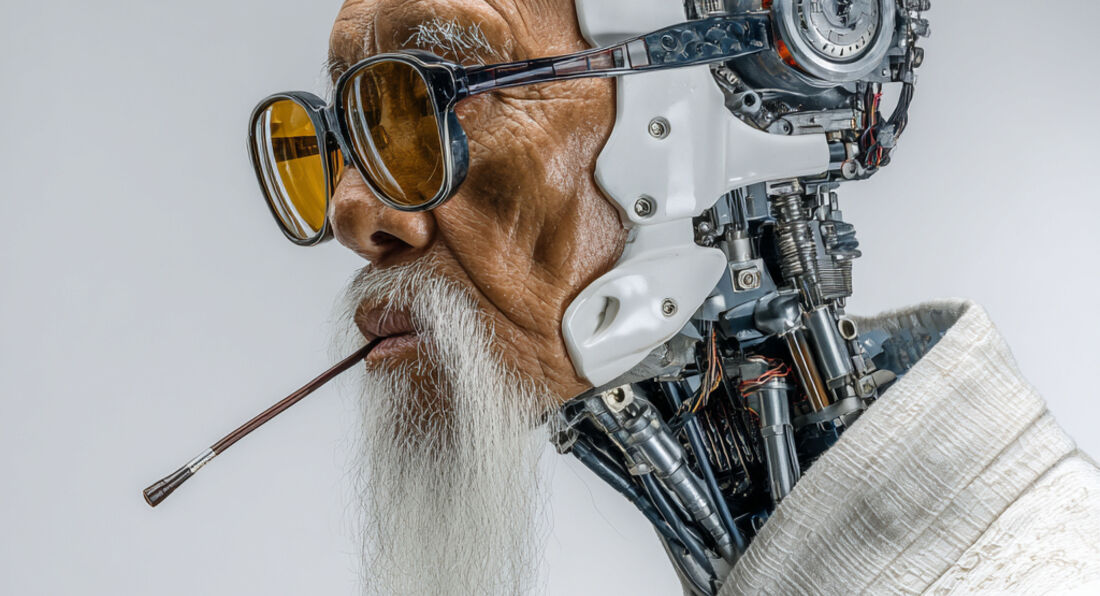
For most of human history, living beyond 70 was rare. Today, science is no longer just treating disease — it is targeting aging itself. A new industry called longevity technology is emerging at the intersection of biotechnology, artificial intelligence, genetics, and preventive medicine. Instead of waiting for illness, researchers are learning how to slow, repair, and even partially reverse biological aging. Many scientists now believe that reaching 100 years of age with strong physical and mental health may soon become normal rather than exceptional. Below are 30 breakthrough longevity technologies reshaping how long — and how well — humans may live.
Cellular Rejuvenation Technologies
1. Senolytic drugs
Senolytics selectively eliminate senescent cells, sometimes called zombie cells, which accumulate with age and release inflammatory chemicals. Removing these cells may reduce chronic inflammation and delay age-related diseases.
2. Epigenetic reprogramming
Scientists are learning to reset cellular age by altering gene expression without changing DNA itself. This process can restore youthful function to older cells and has already shown promising laboratory results.
3. Gene therapy for aging
New gene therapies aim to repair biological pathways linked to aging, including DNA repair, mitochondrial function, and cellular resilience.
4. CRISPR longevity editing
CRISPR gene-editing technology allows precise modification of genes associated with longevity, potentially correcting inherited risks and slowing biological decline.
5. Telomere extension therapy
Telomeres protect chromosomes but shorten with age. Experimental therapies aim to lengthen telomeres, potentially extending cellular lifespan.
6. Stem cell rejuvenation
Stem cell therapies are being developed to regenerate damaged tissues, restore immune function, and improve recovery from aging-related degeneration.
AI and Predictive Health Technologies
7. AI-driven early disease detection
Artificial intelligence can now analyse scans and biomarkers to detect diseases years before symptoms appear, enabling earlier intervention.
8. Digital twin health modelling
A digital twin is a virtual simulation of your body created from medical data. Doctors can test treatments virtually before applying them in real life.
9. Continuous biometric monitoring
Wearables and implanted sensors track sleep, heart rate variability, glucose levels, and stress markers in real time to optimise health daily.
10. AI longevity coaching
AI systems analyse lifestyle data and provide personalised recommendations for nutrition, exercise, and recovery tailored to biological age.
11. Predictive blood biomarker analysis
Advanced blood testing can estimate biological age and predict disease risk decades in advance.
Metabolic and Pharmaceutical Innovations
12. NAD+ restoration therapies
NAD+ is a molecule essential for cellular energy and DNA repair that declines with age. New therapies aim to restore youthful levels.
13. Metformin longevity research
Originally a diabetes drug, metformin is being studied for its potential to slow aging through improved metabolic regulation.
14. Rapamycin optimisation
Low-dose rapamycin is being researched for lifespan extension due to its effects on cellular growth pathways.
15. Next-generation fasting mimetics
These compounds mimic the benefits of fasting without requiring prolonged calorie restriction.
16. Precision supplementation
AI-designed supplements are tailored to individual genetics, microbiome composition, and metabolic needs.
Regenerative Medicine
17. 3D bioprinted organs
Scientists are developing organs printed from a patient’s own cells, potentially eliminating transplant shortages.
18. Tissue regeneration scaffolds
Biomaterial scaffolds encourage the body to regrow damaged tissues such as cartilage, skin, and muscle.
19. Young plasma factor research
Researchers are studying proteins found in younger blood that may enhance tissue repair and cognitive performance.
20. Regenerative peptide therapies
Specific peptides stimulate repair processes, improve recovery, and enhance cellular communication.
Brain Longevity Technologies
21. Neuroplasticity stimulation devices
Non-invasive brain stimulation technologies aim to maintain cognition and memory as people age.
22. Brain-computer interfaces
Emerging neural interfaces may restore lost neurological function and preserve cognitive abilities.
23. Alzheimer’s early detection biomarkers
New diagnostic tools detect neurodegenerative disease long before memory loss begins.
24. Cognitive enhancement neurofeedback
Real-time brain monitoring trains users to optimise focus, stress control, and mental resilience.
Lifestyle Optimisation Technologies
25. Personalised microbiome engineering
Gut bacteria influence immunity, metabolism, and inflammation. Microbiome therapies aim to rebalance internal ecosystems.
26. Precision nutrition platforms
DNA and metabolic testing guide individualised diets designed for longevity rather than general health.
27. Advanced sleep optimisation systems
Sleep technology now measures deep recovery metrics and adjusts environments automatically for optimal rest.
28. Hormone optimisation monitoring
Continuous hormone tracking allows early correction of imbalances linked to aging.
29. Environmental exposure tracking
Sensors measure pollutants, toxins, and air quality exposure to reduce long-term biological stress.
30. Longevity clinics and integrated diagnostics
Next-generation longevity clinics combine genetics, imaging, AI analysis, and preventive medicine into comprehensive anti-aging programmes.
The Future of Living Beyond 100
Longevity science is shifting medicine from reactive treatment to proactive preservation. Aging is increasingly viewed not as an unavoidable decline but as a biological process that can be measured, slowed, and potentially modified. While no single technology guarantees a century-long life, the combined effect of early detection, cellular repair, regenerative medicine, and personalised health optimisation may dramatically extend healthy lifespan. The first generation to routinely live past 100 in good health may already be alive today.


